Northern Territory
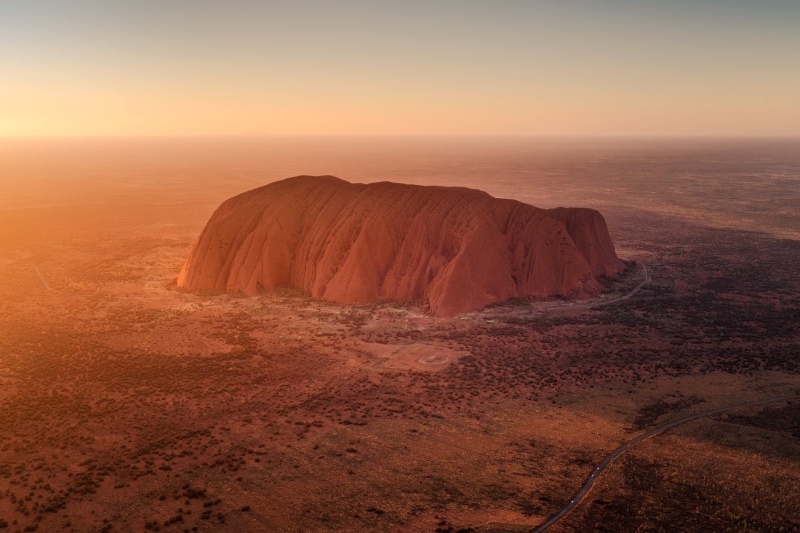
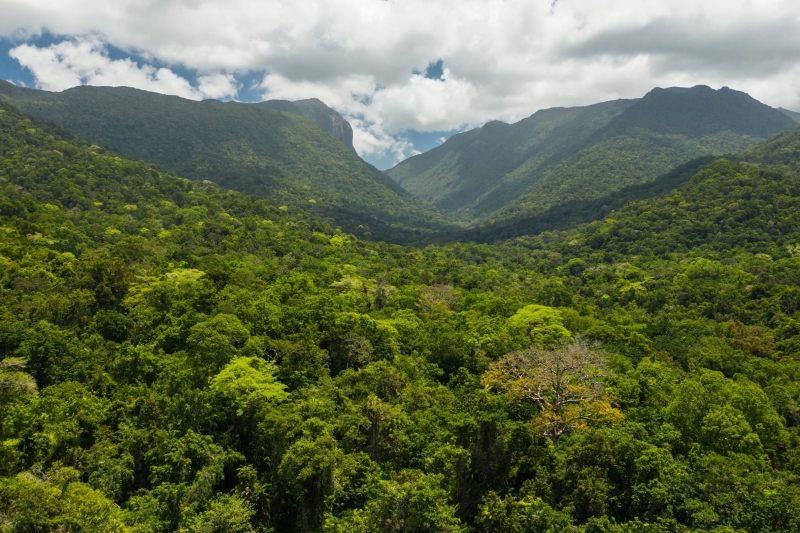
The Northern Territory is one of the world's oldest meeting places. People have been doing business there for over 40,000 years Few places on earth have the ancient majesty and diversity of 'The Territory'. From the green tropical north, to the awesome red deserts, it never fails to imbue a sense of awe in those who visit. The tropical city of Darwin is a good base from which to explore some of the great sites of the region, such as Kakadu National Park, and Arnhem Land - the home of indigenous culture. Visit Central Australia and see Uluru (Ayers Rock) - the world's largest monolith. Both regions offer a wide choice of meeting and accommodation options, such as bush retreats, and high quality resorts and hotels.
Weather: The Northern Territory is so large that it covers two very distinctive climate zones. The tropical Top End is a place not visited by winter, whereas the Red Centre enjoys a warm desert climate, featuring all four seasons. Distances: Alice Springs is just under two hours flight to Darwin and Adelaide and a 40 minutes flight to Uluru. Darwin is three and a half hours flight from Adelaide, two and a half hours from Cairns and four and a half hours flight from Sydney. Airport: Darwin international airport is 12km from the city. Alice Springs domestic airport is 15km from town. Average Costs: Airport transfer $A7.50 by bus and $A25 by taxi in Darwin and $A10 by bus and $A24 by taxi in Alice Springs. Transport: There are no rail services but buses operate around both Darwin and Alice Springs.
The tropical summer extends from November to late April. Warm sunny days and balmy nights are interspersed with occasional rejuvenating and refreshing showers. Keep your clothes light and casual all year. Alice Springs, in the heart of the Red Centre, is semi-arid and experiences Australia’s four typical seasons: summer, autumn, winter and spring, and brilliant blue skies year round. Enjoying a desert climate temperatures can vary from over 35°C in summer to almost zero in winter. Pack a hat and sunscreen for summer and extra clothing for winter and cold mornings.
° C = Celcius Source: Australian Bureau of Meteorology (BoM) - climate averages
Time Zones: Daylight Savings:
|
|||||||||||||||||||||||||||||||||||||||||||||||||||||||||||||||||||||||||||||||||||||||||||||||||||||||||||||||||||||||||||||||||||||||||||||||||||||||||||||||||||||||||||||||||||||||||||||||||||||||||||||||||||||||||||||||||||||||||||||||||||||||||||||||||||||||||