Health & Vaccinations
Before you arrive:
Vaccinations
Vaccinations are not required unless you have come from, or visited a yellow fever infected country or zone within six days before arrival.
No other health certificate is required to enter Australia.
For further information see Department of Health and Ageing and World Health Organisation
Medications
Medicinal products brought into Australia are subject to strict controls and should be declared on arrival.
It is advisable to have a letter or prescription from your doctor describing your medical condition and the medication.
For further information see Department of Health and Ageing
When you arrive:
You will encounter few health hazards when travelling in Australia, and hygiene standards are high.
Still, as with any international travel you undertake, there are some things you should consider:
Insurance
Travel insurance, with comprehensive health cover, is strongly recommended. Comprehensive insurance should be taken out before departure.
General health
You should protect yourself from risks such as HIV and other sexually transmitted diseases.
Medicare
Medicare is Australia's public health care system. Eligibility is generally restricted to permanent residents of Australia.
Australia has Reciprocal Health Care Agreements with Finland, Italy, Malta, the Netherlands, New Zealand, Sweden, the United Kingdom and the Republic of Ireland.
For further information see Department of Health and Ageing.
Sun protection
Enjoy outdoor activities in Australia's beautiful weather, but minimise your exposure to the sun. Wear a broad-brimmed hat, cover up and apply water-resistant sunscreen frequently.
Surf and water safety
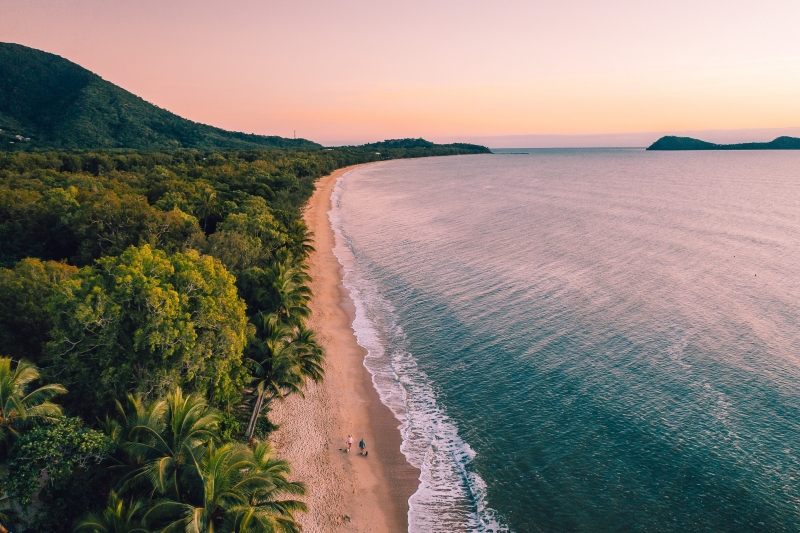
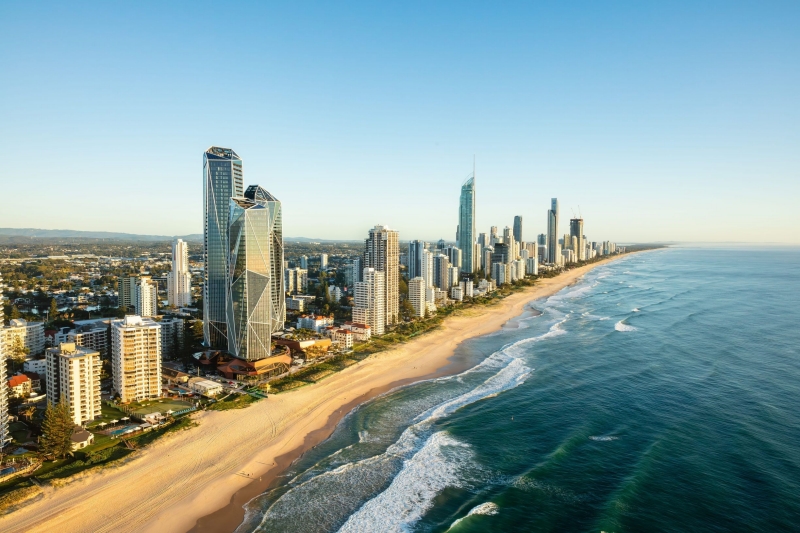
Australia is fringed with superb beaches just waiting to be enjoyed. To have the best possible time at the beach, it's advisable to follow a few basic precautions.
Popular beaches are usually patrolled by volunteer lifesavers from October to April. Always swim or surf at patrolled beaches between the red and yellow flags which mark the safest area for swimming.
Take your time entering the water, and don't swim alone. Also, don't forget to protect yourself from the sun - take your hat, sunglasses, sunscreen and cover up, particularly in the middle of the day.
From late October to early May, venomous box jellyfish, also called stingers or sea wasps, occur in the coastal waters of northern Australia and around many of the Queensland islands. They are rarely found on the Outer Barrier Reef.
In the Northern Territory, the stingers are present at all beaches, and in Western Australia they are found along the Kimberley coastline. Beaches usually have warning signs during this time, and visitors are advised to swim where protective enclosures are provided.
Northern Australia is also home to two types of crocodiles. Freshwater crocodiles occur only in inland waters. Estuarine or saltwater crocodiles are seen mostly in the tidal reaches of rivers, but also occur in freshwater lagoons and swamps and along some beaches. They can be found in waterways hundreds of kilometres from the sea.
Crocodiles are potentially dangerous. Be "croc-wise" in croc-country, by observing all warning signs and do not take unnecessary risks in crocodile areas. Do not swim where crocodiles live, camp at least 50m from the waters edge and never clean fish or discard food scraps near the waters edge.