Tasmania
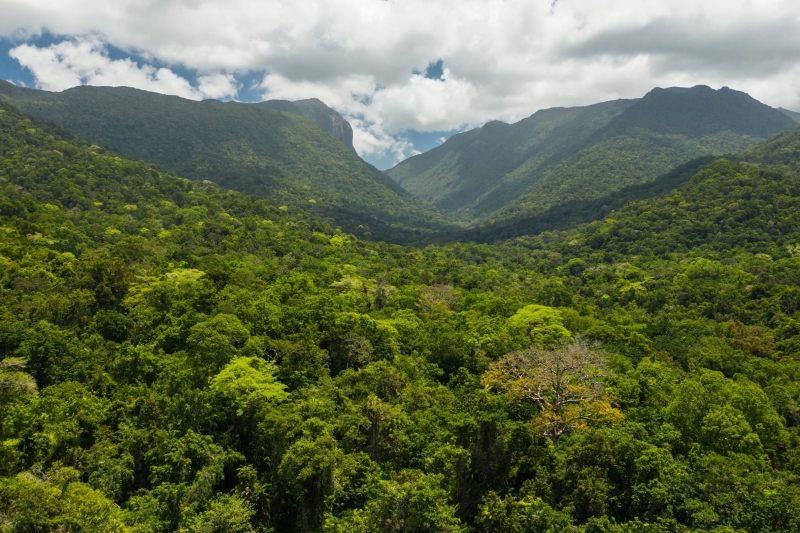
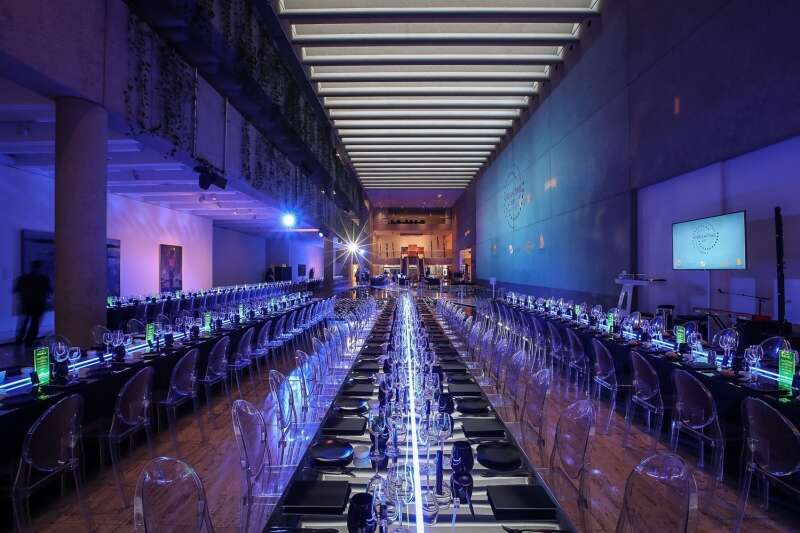
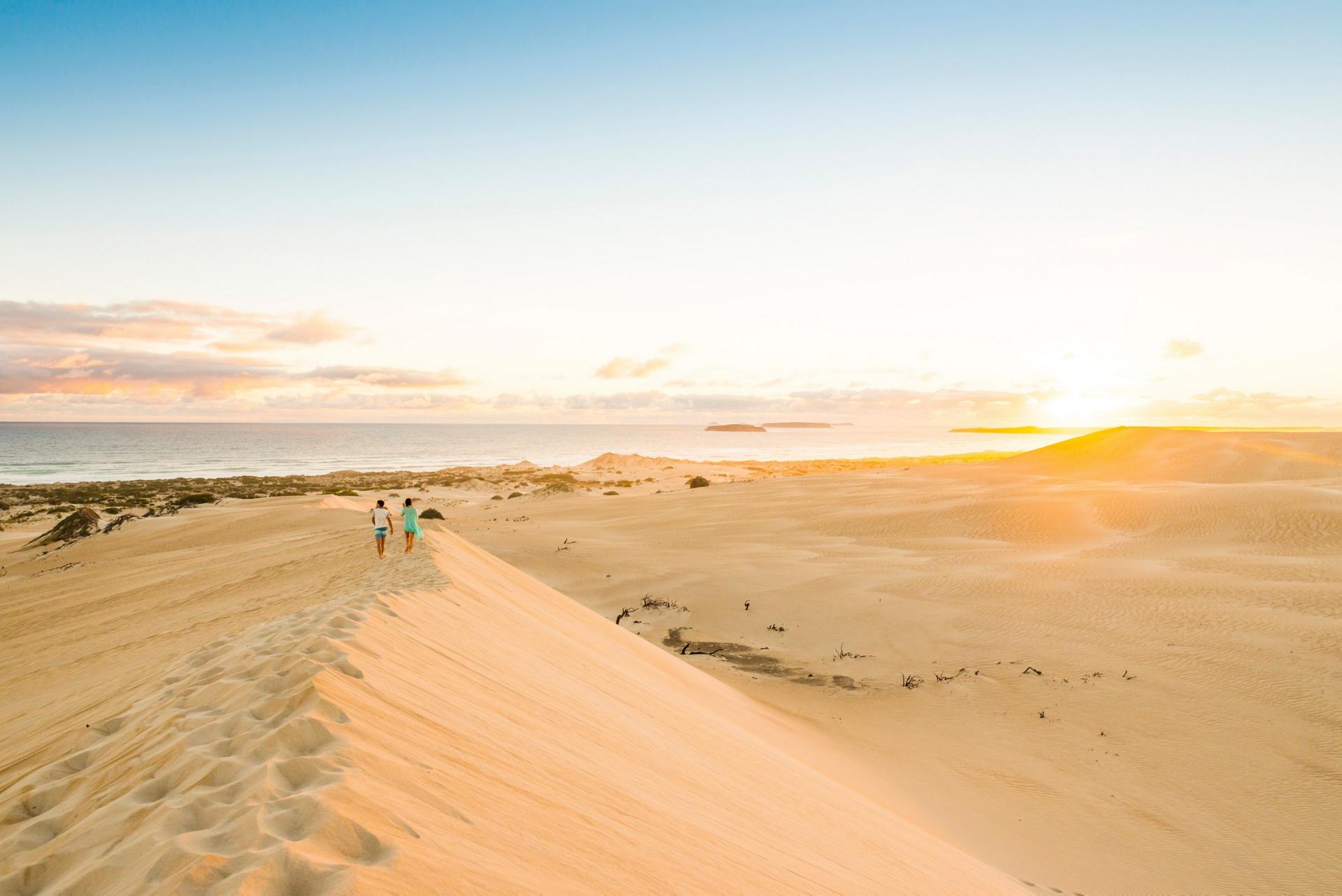
As Australia's only island state, Tasmania has a clean green image and continues to maintain its natural wonders. However, Tasmania is not all about wilderness. For the business visitor, there are many well appointed conference facilities and accommodation venues nestled in inspiring locations. There are both natural and man-made attractions to discover - from the sublime beauty of Wineglass Bay in Freycinet National Park, through to the National Rose Garden in Longford, which features more than 4000 rose varieties. For those of a more active bent, there is the chance to disturb the natural peace and quiet of the Huon Valley by jet-boating over river rapids in a thrilling team building session. Then there is magnificent food to savour, and a wide range of local boutique beers to sample. With its friendly people, wilderness areas, historic sites, and sophisticated visitor services, Tasmania is truly one of Australia's secret gems.
Weather: Tasmanians enjoy a temperate, maritime climate with four distinctly different seasons. Distances: Located just one hour's flight from Melbourne and two hours from Sydney, Tasmania is Australia's only island state. Airport: Hobart airport is mostly domestic, but it can handle international arrivals. It is 22km from the city. Average Costs: Transfers from the airport cost $A9.20 by bus and approximately $A32 by taxi. Transport: A bus network serves Hobart and suburbs. The passenger and vehicle ship the Spirit of Tasmania departs Melbourne and Sydney for Devonport, on Tasmania's north coast. More than anywhere else in Australia, Tasmanians enjoy a temperate, maritime climate with four distinctly different seasons. Each one has its unique pleasures and appeal, all presenting perfect opportunities for touring. Summer temperatures (December - February) average a comfortable 22 degrees Celsius, and in winter (June - August) around 12 degrees Celsius. Spring and autumn are warm, but bring extra clothing for the evenings. Tasmania's summer days are wonderfully long - at midsummer, daylight lasts more than 15 hours.
° C = Celcius Source: Australian Bureau of Meteorology (BoM) - climate averages
Time Zones: The state of Tasmania operates under Australian Eastern Standard Time (EST). Eastern Standard Time is ten hours ahead of GMT. Daylight Savings:
|
||||||||||||||||||||||||||||||||||||||||||||||||||||||||||||||||||||||||||||||||||||||||||||||||||||||||||||||||||||||||||||||||||||||