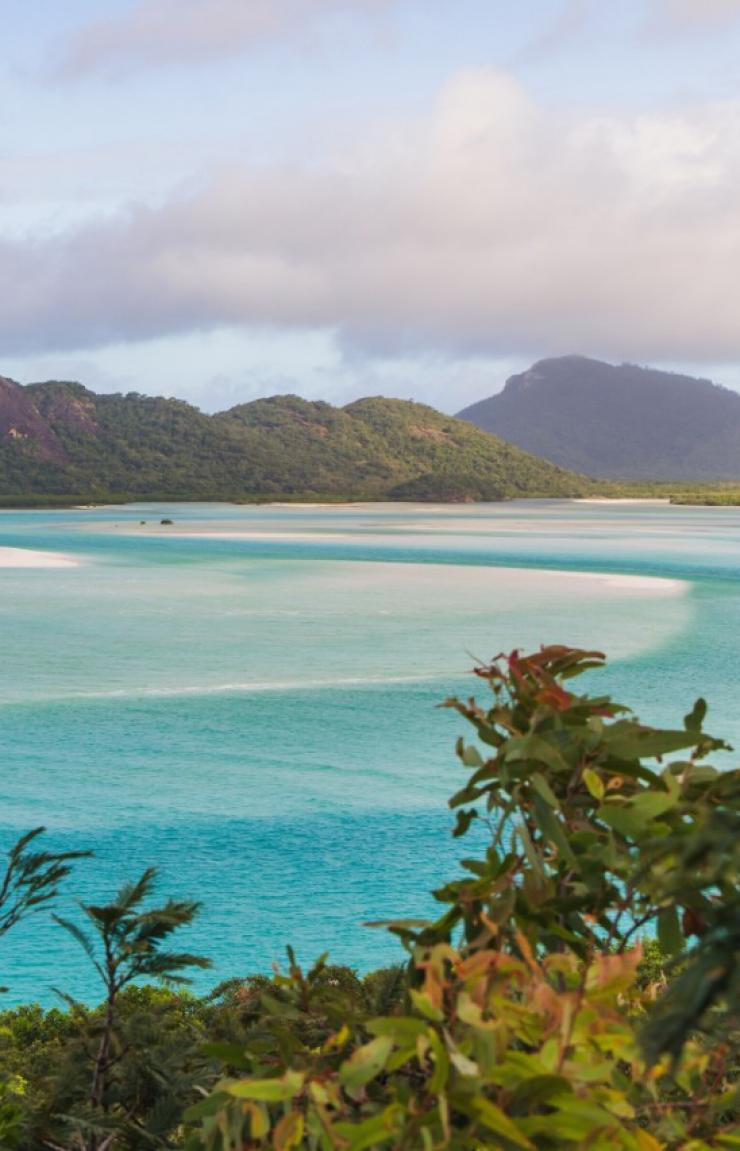

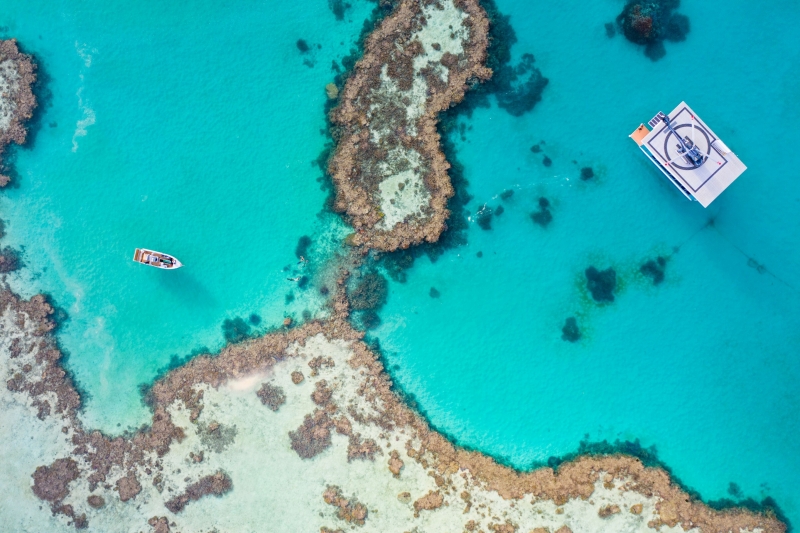


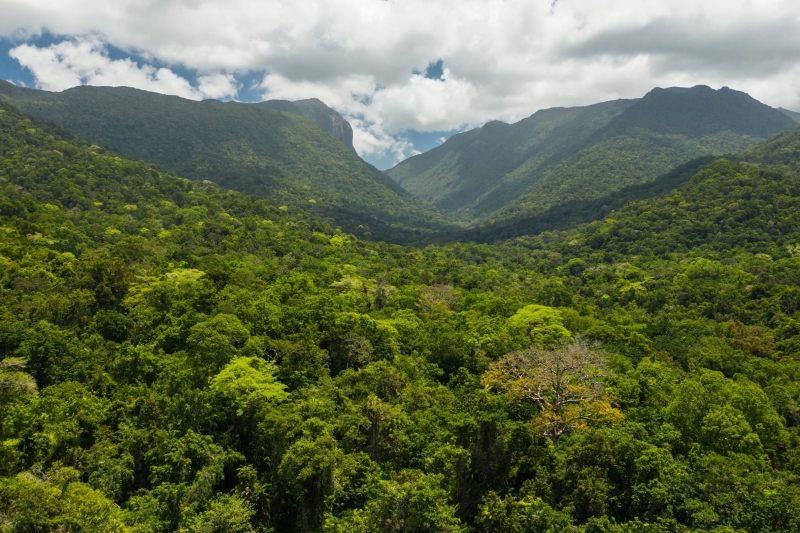
Great Barrier Reef, Tropical North Queensland © Reef Unlimited/GBR Biology
Ask an expert
Brittany Wassing is a marine biologist with a passion for educating and connecting visitors to the Great Barrier Reef. In her role at Reef Unlimited, Brittany manages the Reef Connect programs — tailored educational experiences for business events delegates and incentive groups.

Brittany Wassing, Operations Supervisor and Senior Marine Biologist, Reef Unlimited/GBR Biology © Reef Unlimited/GBR Biology
For someone snorkelling the Great Barrier Reef for the first time, what can they expect to see?
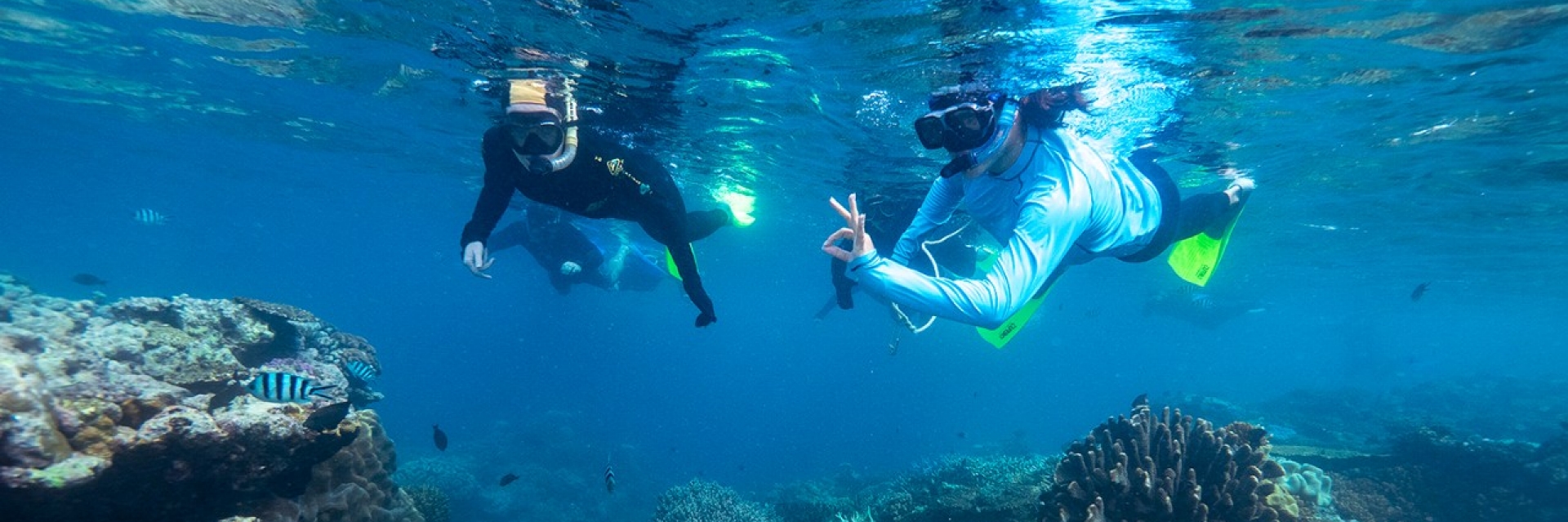
At first, you may swim past a patch of coral without thinking much of it. But the real magic happens when you stop trying to see everything and start tuning into everything. Slow down, and suddenly you’ll notice the tiny blue-green chromis (fish) sheltering between the branching coral from your shadow, or the constant sound of snap, crackle and pop from the cryptic crabs and crustaceans. What looked to be just a piece of coral now becomes an entire neighbourhood.

Reef Unlimited/GBR Biology, Great Barrier Reef, Tropical North Queensland, Queensland © Reef Unlimited/GBR Biology
Is there a particular part of the reef, or a particular dive site that you love visiting time and again?
My absolute go-to site when taking my friends and family is the Reef Magic Pontoon, situated on Gunggandji Sea Country. You can experience everything the reef has to offer, without even getting in the water. For confident snorkellers, the expert marine biologists from GBR Biology lead the most incredible guided Snorkel Safari tour at a location where the open ocean meets the coral reef. Here, currents bring nutrient-rich waters together, creating an underwater hotspot that attracts the most impressive fish aggregations you’ll ever see!
Can you tell us a little about Reef Unlimited’s Reef Connect program?
Reef Connect is a dedicated approach to immersing business events delegates and incentive groups in educational experiences on the Great Barrier Reef. It was designed on the back of the industry asking for more emphasis on marine conservation and sustainability.
The program is part of Experience Co, and within the company sits GBR Biology, a dedicated team of marine biologists and First Nations cultural guides who focus on research, education and storytelling. The experts lead guests through a day designed to showcase how science and First Nations’ culture are driving 21st century conservation on the reef.

Reef Unlimited/GBR Biology, Great Barrier Reef, Tropical North Queensland, Queensland © Reef Unlimited/GBR Biology
What role does citizen science — where everyday visitors collect data while snorkelling — actually play in reef management?
The largest challenge facing the reef? Its size — it’s huge! It’s simply far too big for scientists alone to keep an eye on. Every person who visits the reef can become a citizen scientist. It’s as simple as being an extra set of eyes on the reef. Through programs like the Reef Authority’s Eye on the Reef Sightings Network and Rapid Monitoring, your sightings can help identify where species are occurring, where disturbances are happening and how reefs are changing over time.
It’s something our guests get to take part in directly during their day on the reef with us, turning their visit into a genuine contribution. That information helps scientists and managers spot emerging issues, prioritise where to investigate further and make better-informed decisions about the reef.
What have you learnt about the reef through First Nations’ knowledge that you wouldn’t have known otherwise?
One of the biggest things I’ve learnt from GBR Biology First Nations’ cultural guides is that they were scientists, long before we called it science. What really changed my perspective was learning that you can’t separate the reef from the land. They taught me that Sea Country and Land Country are deeply interconnected, meaning what happens on the land can have consequences out on the reef, and vice versa. Science can tell us what’s happening, but First Nations’ knowledge can help us understand why it matters. When those two knowledge systems come together, we can get a more complete picture of how to care sustainably for the reef.

Reef Unlimited/GBR Biology, Great Barrier Reef, Tropical North Queensland, Queensland © Reef Unlimited/GBR Biology
Reef Connect is exclusive to business events clients — what makes it different from a standard reef tour?
Reef Connect brings science and culture together in a way that goes beyond simply experiencing the reef. Guests aren’t just shown what's beneath the surface — they’re connected to the science and conservation efforts helping protect the reef, alongside the cultural knowledge to deepen their connection.
How can a group make a genuine positive contribution to reef conservation during their visit?
Take your Great Barrier Reef experience home with you. Tell your friends and family what you saw, and why it matters. When millions of people visit the reef, that story can travel a very long way.
Remember too, conservation is often in the little things. Support local farmers, ride your bike to work, choose tour operators with genuine environmental accreditation, and be mindful of what goes down our drains. When those small actions become family habits, they become a legacy that lasts for generations.

Reef Unlimited/GBR Biology, Great Barrier Reef, Tropical North Queensland, Queensland © Reef Unlimited/GBR Biology
What do you hope people carry with them, long after they’ve left the water?
My favourite quote from Maya Angelou goes, “I’ve learnt that people will forget what you said, people will forget what you did, but people will never forget how you made them feel.”
That’s what I hope people take away from their Great Barrier Reef experience. Not just what they saw, but how it made them feel. A sense of wonder, connection and desire to care for this incredible place long after they’ve left the water.