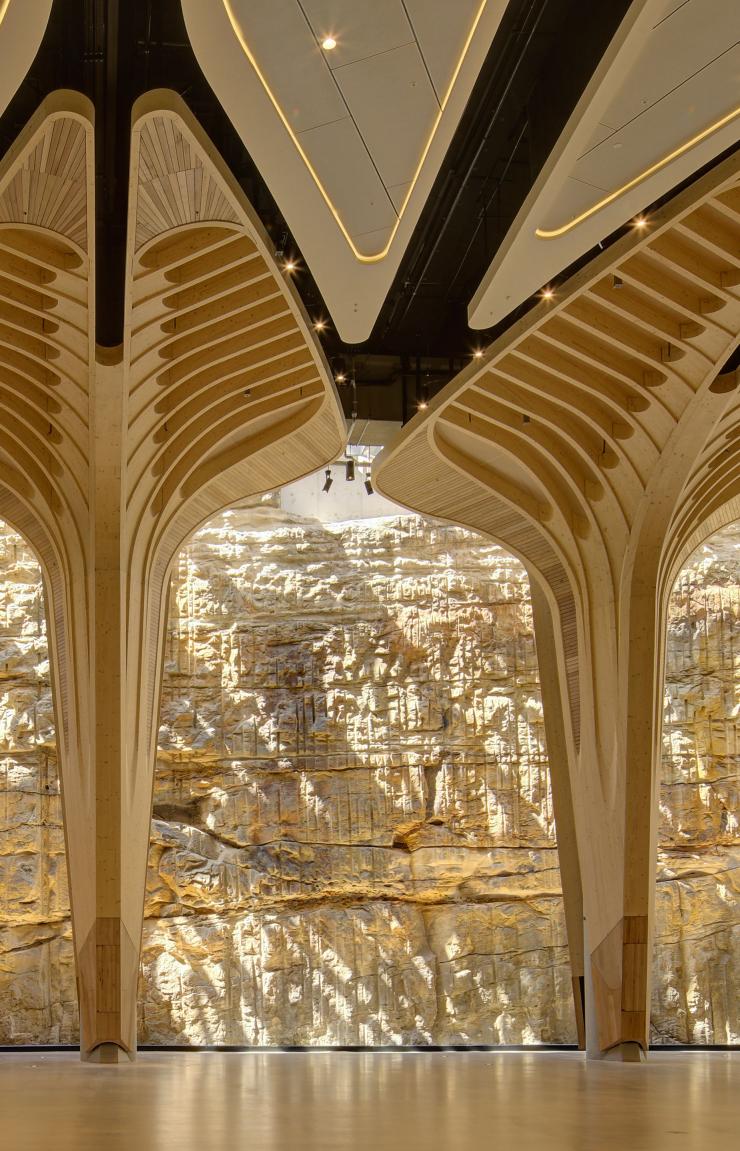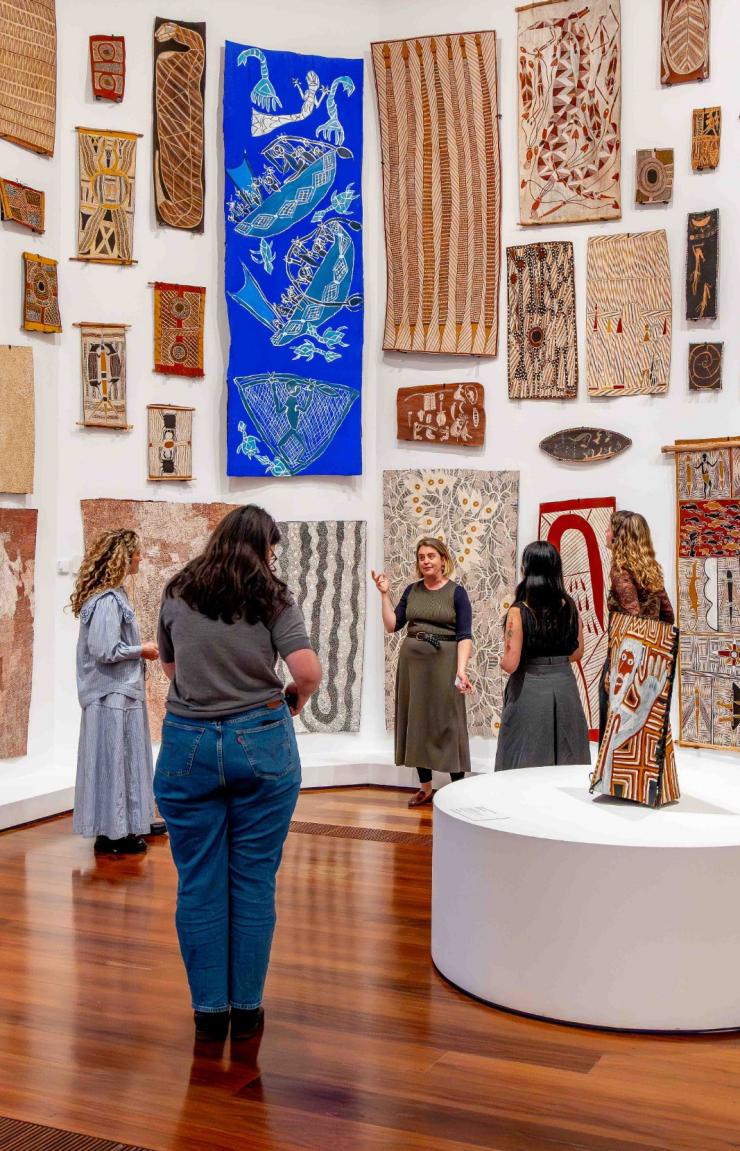





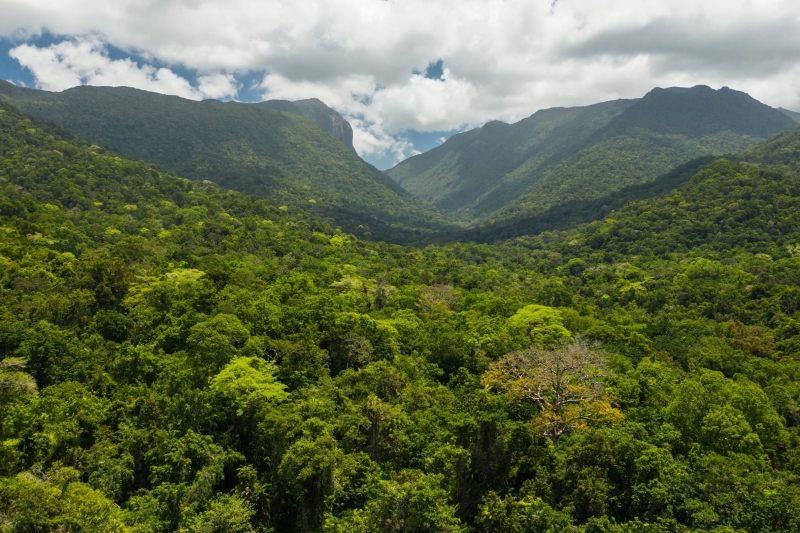
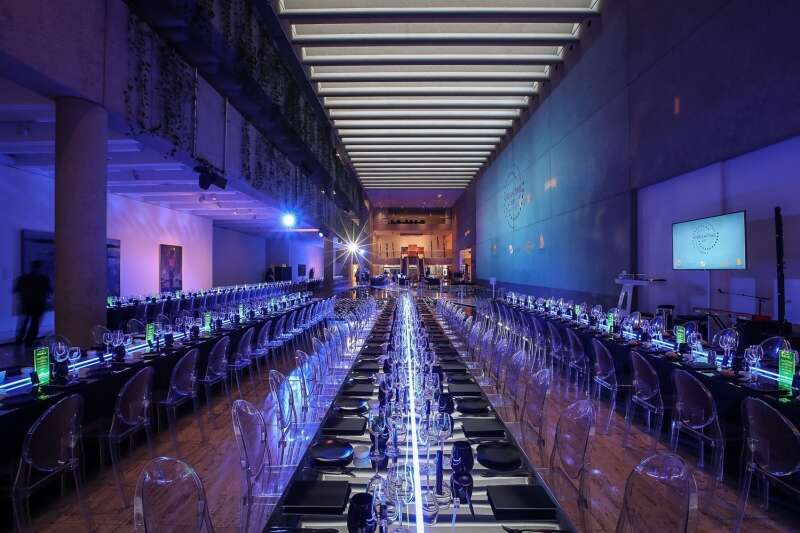
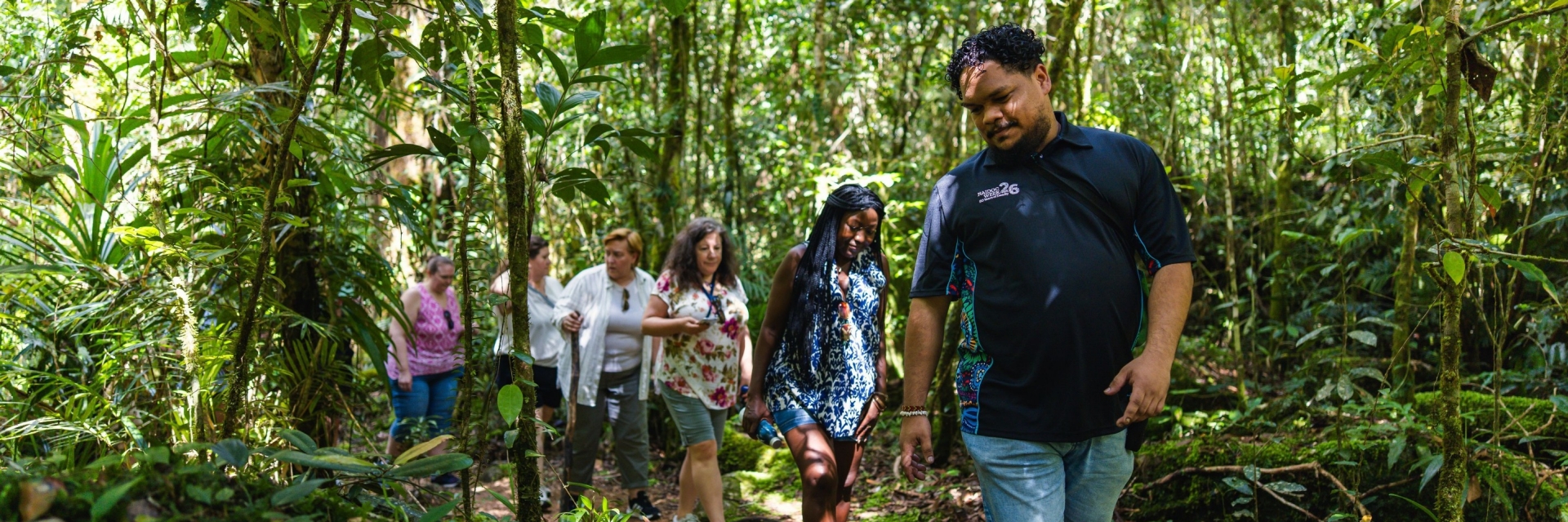
Mossman Gorge Cultural Centre, Mossman Gorge, Tropical North Queensland © Tourism Australia
Ask an expert
Sally Cope leads the Tourism Australia Industry and Business Events teams, which are responsible for driving strategic initiatives that foster growth, innovation and competitiveness within the Australian tourism and business events industries. We spoke with her about sustainable practices and experiences in Australia’s business events sector.

Sally Cope, Executive General Manager Industry and Business Events at Tourism Australia © Tourism Australia
Tell us about the Green is Our Gold initiative and its positive impacts on Australia’s business events industry?
Australia’s Business Events sector has a strong track record of sustainable practices. Our Green is Our Gold initiative is intended to recognise these strong foundations and give greater visibility to Australia’s sustainability practices with event planners and visitors to Australia. Green is Our Gold unites our tourism and business events industries under a shared promise to protect Australia’s nature, cultures, and communities. It’s not a formal certification, it’s a collective framework to help guide responsible visitor behaviours across Australia.

Green is Our Gold © Tourism Australia
What is Business Events Australia’s expectation of Australian business events organisations in supporting this sustainability initiative?
Those who commit to the Promise are aligning with a set of five Principles that can be communicated with planners, and delegates, to guide responsible visitor behaviour while in Australia. These principles are: Celebrate Community, Embrace Culture, Preserve Place, Respect Wildlife and Take Care. You can visit the Business Events Australia website to find out more about the Principles. When organisations sign up, they also get a free toolkit which includes handy tips and resources to help everyone promote these positive habits.
And what does Green is Our Gold mean for incentive planners?
It gives planners peace of mind. When they choose Australia, they know they are working with a united team of businesses that care. This makes it easy for planners to meet their own sustainability goals. It also satisfies the expectations of their delegates, who increasingly want to travel in a way that protects local environments and communities.
How have planner expectations around sustainability changed in recent times?
Our research shows that 76 per cent of incentive planners consider a destination's green credentials when choosing where to host their incentive program. And 91 per cent are already measuring their environmental impact or are building plans to do so. Green is Our Gold responds to this demand, demonstrating that Australian organisations and businesses are aligned in delivering world-class, sustainably minded events.

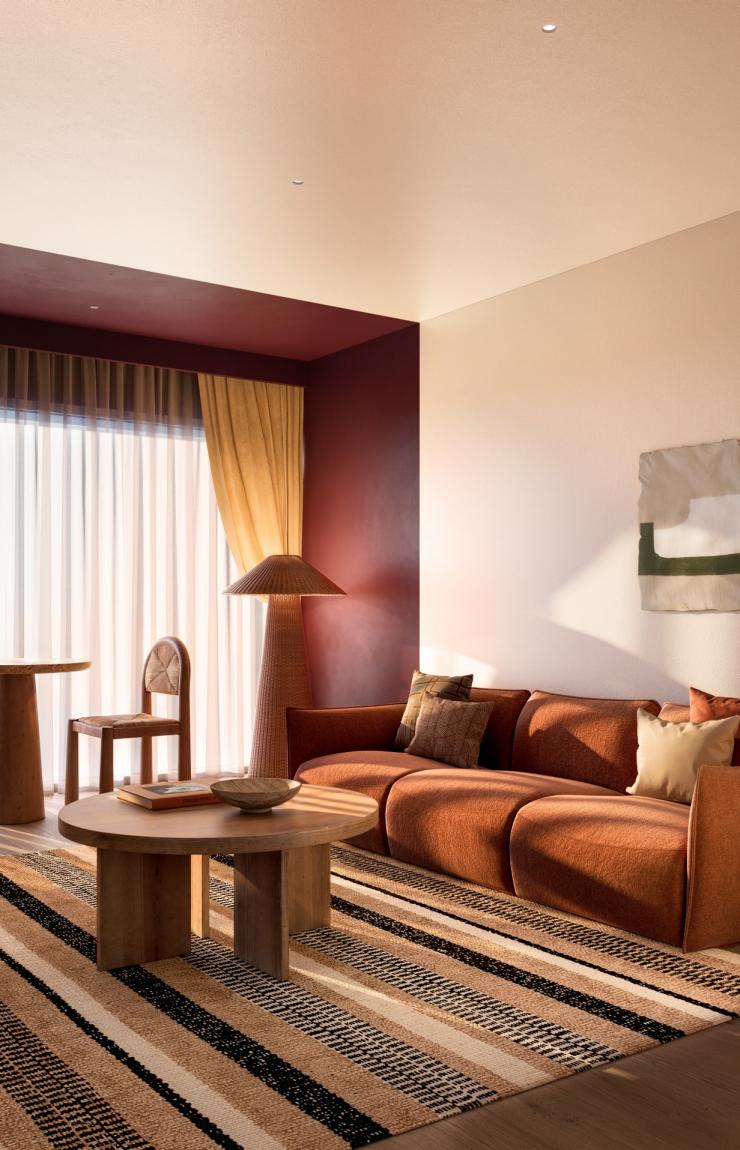
1 Hotel Melbourne, Melbourne, Victoria ©Tourism Australia
Can you share an example of Australian venues that have implemented sustainable practices into event management?
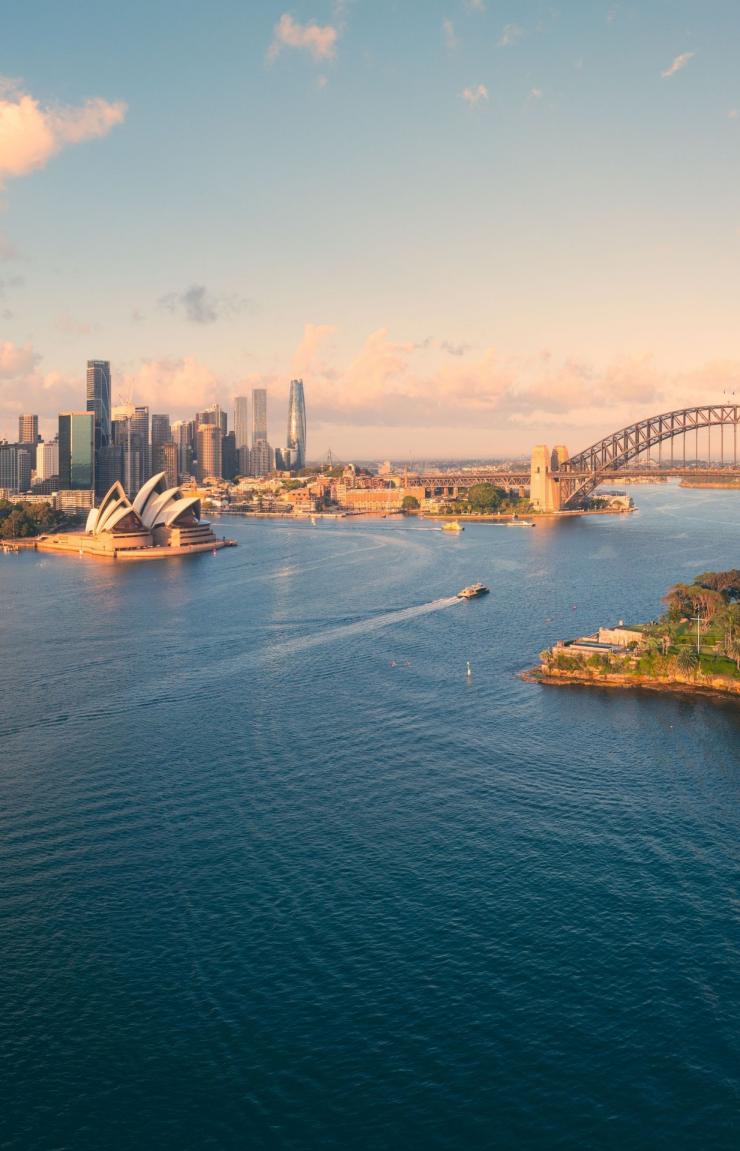
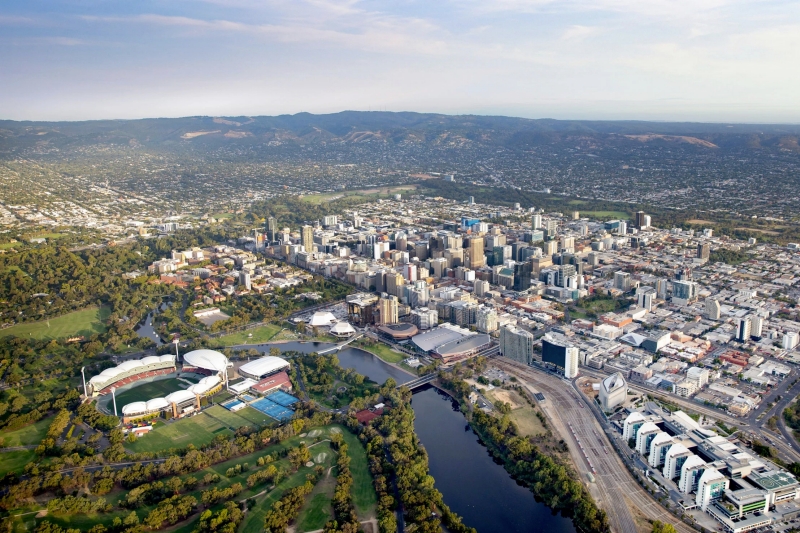
Many of our event venues hold prestigious accreditations that demonstrate real, measurable action in protecting the environment. Adelaide Convention Centre was the world’s first convention centre to achieve EarthCheck’s coveted Master status back in 2023. And look at Crystalbrook Collection, where every hotel is EarthCheck certified and completely free of single-use plastics. Or Melbourne’s new 1 Hotel which is LEED Silver certified, built beautifully from recycled materials and filled with native plants. And in the heart of Sydney, Swissôtel holds a Platinum sustainability rating from Ecotourism Australia and features thriving rooftop beehives. These major brands prove that premium luxury and deep environmental care go hand-in-hand in Australia.
How can planners work with local communities to ensure their guests leave a positive impact?
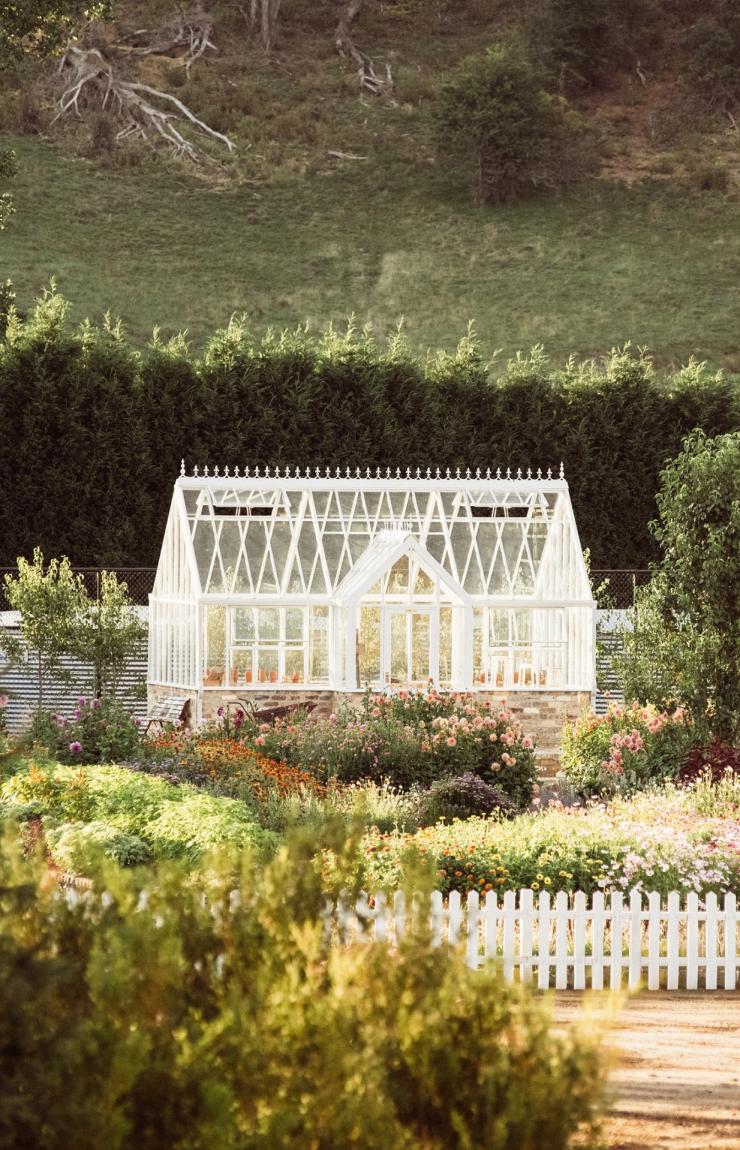
Planners can make a big difference by sourcing food, gifts, and services from local businesses. This keeps event spending within the community. Groups can also include social impact activities in their programs, like Cook for a Cause with OzHarvest in Adelaide, or organic gardening at Perth City Farm. Celebrating community in this way ensures that hosting an event leaves the locals better off than before delegates arrived.

Janbal Gallery, Mossman Gorge, Tropical North Queensland © Tourism Australia
What are the cultural experiences that planners can include in a program to immerse their guests into First Nations culture?
Sustainability is about embracing culture, too. Planners can begin their events with a meaningful Welcome to Country ceremony led by a local Elder. Programs can also include guided walks with First Nations guides, traditional smoking ceremonies, and hands-on art workshops. These experiences teach guests about the world's oldest living culture while directly supporting First Nations businesses and storytellers.
How can incentive groups experience Australia’s wildlife without impact?
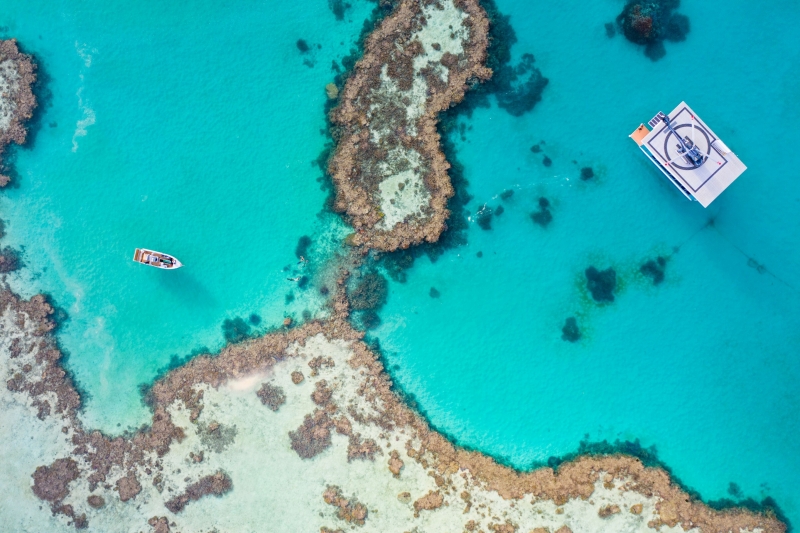
Australia has some of the most unique animals on the planet, and we know wildlife encounters are key to many incentive programs in Australia. Booking a wildlife tour with a licensed or certified operator with expert guides is a great way to ensure animal welfare and safety. Just some examples of operators that offer bespoke tours for groups include Exceptional Kangaroo Island, off the coast of South Australia, or a Reef Magic experience on the Great Barrier Reef. There is also ample opportunity for incentive groups to volunteer their time at a wildlife rehabilitation centre, such as Bonorong Wildlife Sanctuary near Hobart in Tasmania, or the Cairns Turtle Rehabilitation Centre on Fitzroy Island in Queensland. This allows guests to see our unique animals while helping protect them.
What tools are available for incentive planners to design a sustainable event in Australia?
Planners can access great digital tools through our State and Territory Convention Bureaux and Centres. For example, the Melbourne Convention Bureau offers a Sustainable Event Planning Toolkit, while BESydney’s Event Organiser Toolkit features a dedicated guide for delivering green events. For community-focused goals, the Adelaide Convention Centre offers a Community Impact Guide. These free resources make it simple to find eco-friendly suppliers, reduce waste, and leave a positive lasting legacy in Australia.